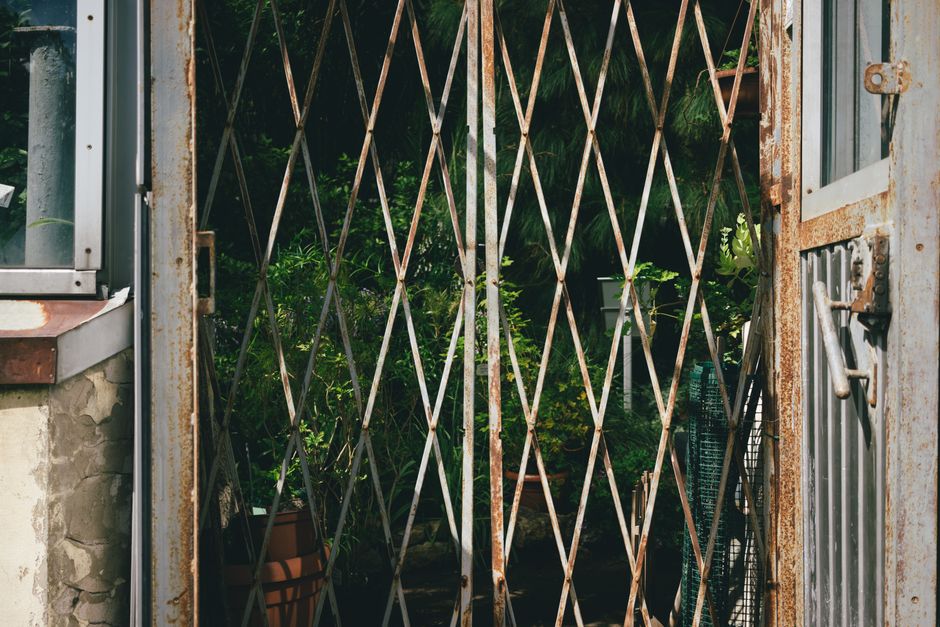
Gardeners for flats Finchley access issues and safe solutions

Flat gardens can look simple from the outside. A small shared courtyard, a balcony planter area, a rear access gate, maybe a strip of lawn behind a block. But once you try to get a gardener in and out safely, the reality can be a bit fiddly. Narrow hallways, top-floor lifts, awkward bin stores, locked gates, fragile communal areas, and neighbours who are understandably protective of shared space all add up. If you are looking for Gardeners for flats Finchley access issues and safe solutions, this guide breaks down how it works, what to ask for, and how to avoid the usual headaches.
Truth be told, most access problems are manageable. The key is not brute force. It is planning, clear communication, and choosing services that fit the building rather than fighting it. In the sections below, you will see the practical side of flat gardening in Finchley: safe entry routes, equipment handling, risk control, service options, and the little details that make the difference between a smooth visit and a messy one.
Quick takeaway: the safest flat-garden jobs are the ones planned around access first and gardening second. That sounds backwards, maybe, but it saves time, reduces disruption, and protects the property.
Why Gardeners for flats Finchley access issues and safe solutions Matters
Flat gardening is rarely just about the plants. It is about people, buildings, shared spaces, and timing. In Finchley, you will find a mix of mansion blocks, converted houses, modern apartments, and older buildings with tighter access than anyone would like. That means the gardener needs to think about stairs, lifts, parking, loading points, and what can realistically be carried through the building without damage.
Why does this matter so much? Because poor access planning causes avoidable stress. A mower that is too large for a narrow side passage can scrape walls. Wet soil carried through communal halls can create slip risks. Hedge cuttings left in the wrong place can annoy neighbours and block access for everyone else. And if the team arrives without checking where they can park or unload, the job can lose half an hour before it has even begun. Nobody wants that, least of all the resident who booked the service.
For flats, safe solutions are often less about heavy equipment and more about method. Smaller tools, tidier waste handling, thoughtful scheduling, and a clear route in and out can make a big difference. That is especially true if the work involves ongoing garden maintenance, where repeat visits should feel predictable rather than disruptive.
There is also a trust element. When a company understands access challenges, it signals professionalism. You are not just paying for someone to cut grass or trim a hedge. You are paying for the ability to do it safely in a built-up, shared environment without turning the place upside down. That's the bit people often remember.
How Gardeners for flats Finchley access issues and safe solutions Works
The process usually starts before the gardener arrives. A good provider will want to know what kind of flat you are in, whether access is via the front, rear, side, or communal entrance, and whether there are any restrictions on parking or waste removal. In some cases, they may ask for photos. Sensible, really. A picture of the gate, stairwell, or garden entrance often says more than a long email ever could.
Once the access route is clear, the work is planned around the space. That may mean bringing hand tools instead of larger machinery, using lightweight bags for cuttings, or splitting the job into sections so the team is not carrying bulky waste through the building at the wrong moment. For shared outdoor areas, the gardener should also think about residents passing through, washing lines, pets, bicycles, and any communal furniture that may need protecting.
Safe solutions are usually a combination of common sense and routine controls. For example:
- agreeing a suitable arrival time to avoid school runs, deliveries, or peak footfall
- using protective sheets or mats where clean access is important
- keeping tools organised so they are not left in walkways
- separating green waste from general rubbish immediately
- checking whether the lift can be used for equipment and whether it should be lined or protected
If the work involves shrubs, trees, or awkwardly placed planting beds, a team may also need to coordinate with related services such as hedge trimming or, for more complex growth near structures, tree lopping and removal. The point is not to overcomplicate things. It is to match the service to the access reality.
And yes, some sites are just awkward. Low railings, tight corners, and shared entrances can make even a small job feel like a puzzle. That is normal. The useful question is not "Is it awkward?" but "How do we make it safe and tidy anyway?"
Key Benefits and Practical Advantages
When flat access is handled well, the benefits are immediate. The garden gets done properly, the building stays clean, and residents are not left feeling like a gardening operation has just marched through their home. Simple as that.
- Less disruption: careful route planning means fewer interruptions for residents and neighbours.
- Lower damage risk: smaller tools and better handling reduce the chance of scuffed walls, scratched floors, or broken planting containers.
- Better hygiene: waste is contained more neatly, which matters in shared spaces.
- Faster visits: good access planning removes delays before the work starts.
- More consistent results: a service that fits the building can be repeated reliably, which is ideal for flats that need regular care.
There is another benefit that often gets overlooked: calmer communication. When everyone knows what will happen, where tools will be placed, and how waste will leave the property, the whole job feels more professional. Residents tend to relax. Site managers relax. Even the gardener relaxes a bit, which never hurts on a damp Tuesday morning in north London.
For ongoing shared spaces, access-friendly maintenance also makes it easier to combine services. A courtyard might need mowing, edging, light clearance, and seasonal planting all in one visit. If the route is planned well, that can be done without doubling back or bringing unnecessary kit through the building. If access is difficult, it quickly becomes a juggling act.
Who This Is For and When It Makes Sense
This kind of service is useful for a wide range of people. If you live in a ground-floor flat with a small rear garden, you may need occasional tidy-ups. If you are a leaseholder in a block with a communal terrace, you may need regular upkeep. If you manage a portfolio of flats or look after a residents' association, you may need a reliable, repeatable system that avoids complaints.
It makes sense if any of the following sound familiar:
- your garden can only be reached through a shared hallway or side passage
- there is limited parking close to the entrance
- the garden is accessible only at certain times
- there are concerns about noise, mess, or neighbour disturbance
- you need a gardener who can work neatly in a compact or sensitive setting
It is also relevant if you are planning a one-off clear-out after a long gap. Flat gardens can be neglected quite quickly, especially when people move, travel, or simply get on with life and stop noticing the ivy creeping over the fence. In those cases, a broader tidy-up may involve garden clearance followed by a more structured maintenance plan.
One small but important point: if access is difficult, do not assume the job is too small to matter or too awkward to bother with. The opposite is usually true. Small spaces are where good planning shows up most clearly.
Step-by-Step Guidance
Here is a sensible way to organise flat gardening with access in mind. Not every job needs every step, but this sequence works well in practice.
- Describe the access clearly. Tell the gardener whether entry is via the main door, communal corridor, rear gate, side passage, balcony, or service entrance.
- Share simple photos if needed. A few phone pictures of the route, gate width, stairs, and garden entrance can prevent guesswork.
- Confirm parking and unloading options. Even a short unloading window can save a lot of carrying if it is planned well.
- List any hazards. Loose paving, slippery steps, low branches, pets, shared bins, and awkward lighting are all worth mentioning.
- Agree the scope of work. Be specific about mowing, trimming, pruning, waste removal, or planting. If you are comparing a broader service package, it may help to review the services overview first.
- Protect the shared areas. Ask how the team handles floor protection, debris control, and clean-down after the job.
- Plan waste movement. Decide how green waste will be bagged, where it will be stored temporarily, and how it will leave the property.
- Check the finish. Walk the access route after the job. Make sure gates are shut, pathways are clean, and no tools have been left behind.
If the work is regular rather than one-off, create a short access note and keep it on file. It sounds simple, but it is one of those tiny admin habits that saves everyone hassle later. Who knew a few lines of text could prevent a lot of muddy footprints?
Expert Tips for Better Results
After enough flat-garden visits, patterns appear. The jobs that go best usually share the same habits. Nothing glamorous, just disciplined basics.
Keep the access brief but precise
Do not write a novel. Write the route, the gate code if appropriate, the best place to park, and the main risks. Short and clear usually wins. If the gardener needs more detail, they can ask.
Use the smallest practical equipment
In compact shared spaces, smaller tools can be a blessing. A lightweight mower, hand shears, a compact blower, and manageable waste bags are often more sensible than dragging in oversized kit. Not always, but often.
Protect common areas before anything gets dirty
It is easier to prevent marks than remove them. Floor coverings, careful shoe management where appropriate, and tidy tool staging can save arguments later. That bit matters in blocks where everyone sees everything.
Choose a time that suits the building, not just the gardener
Mid-morning or early afternoon may work better than the noisy edges of the day. If the route passes family homes or quiet communal corridors, timing can reduce friction. A little thought goes a long way.
Keep the maintenance plan simple
Flat gardens do better with steady care than dramatic interventions. Light, regular upkeep usually costs less effort over time than letting everything run wild and then trying to reset it in one go.
For more structured outdoor improvements, especially where a courtyard or terrace needs reshaping for easier upkeep, it can be useful to look at landscape gardening or landscaping. Those services can help turn a tricky access layout into something more maintainable long term.
Common Mistakes to Avoid
Some access problems are caused by the building itself. Others are caused by avoidable oversights. The good news? Most of them can be prevented.
- Not mentioning the access route early: the gardener arrives expecting a rear gate, only to discover there is no practical way through.
- Ignoring communal rules: some blocks are more sensitive than others about noise, storage, or lift use.
- Underestimating waste volume: a little hedge trim can fill more bags than expected.
- Leaving shared areas unprotected: one muddy trolley wheel can create a surprisingly long conversation.
- Booking the wrong type of service: a simple mow is not the same as a full clearance or reshaping job.
- Assuming someone else will unlock or supervise access: if that person is late, the whole visit stalls.
Another common one: trying to cram too much into a single visit. If a flat garden is heavily overgrown, it may be smarter to phase the work. First clearance. Then repair. Then ongoing maintenance. It is not glamorous, but it is often the sensible route.
Tools, Resources and Recommendations
When access is tight, the best tools are the ones that make movement safer and cleaner, not just faster. A few practical examples:
- Compact cutting tools: easier to carry through shared passages and less likely to cause bumps and scrapes.
- Heavy-duty collection bags: useful for keeping green waste contained and reducing spill risk.
- Protective sheets or mats: handy for clean routes through hallways or lift entrances.
- Secured hand trolleys: useful if the waste has to travel some distance before disposal.
- Simple job notes: a written access checklist helps anyone returning to the property later.
In a real-world sense, the most useful resource is often not a piece of equipment at all. It is a clear, calm briefing. If the gardener knows the building, knows the route, and knows what the resident wants done, they can work with far less guesswork.
For residents who want an ongoing plan, lawn mowing can be combined with trimming and upkeep on a fixed schedule, while decking services may be relevant if the flat garden includes a small timber or composite seating area that also needs safe maintenance around it.
Law, Compliance, Standards and Best Practice
Flat gardening in Finchley sits inside a wider set of responsibilities around safety, access, and considerate working. It is not usually about complicated legal language on day one, but there are still standards of care worth following.
In practice, a responsible provider should think about safe working methods, trip hazards, manual handling, storage of equipment, and respect for communal areas. Where a building has its own rules, those should be followed. That might include booking lift use, avoiding certain hours, or keeping entrances clear for residents and emergency access.
For businesses or property managers, it is also sensible to check that the contractor has appropriate cover and internal procedures in place. Pages such as insurance and safety, health and safety policy, and accessibility statement give a useful sense of how seriously a provider treats these issues. That does not replace a proper conversation, of course, but it is a helpful starting point.
Best practice also means being honest about what the site needs. If access is too tight for a large machine, say so. If waste removal needs an extra bag or an extra trip, say so. If residents need advance notice, give it. The safest jobs are usually the most straightforward ones, even if they are not the flashiest.
Options, Methods and a Comparison Table
Different flat gardens call for different approaches. The right one depends on access, the amount of work, and how often the site is maintained. Here is a simple comparison that can help you decide.
| Method | Best for | Advantages | Watch-outs |
|---|---|---|---|
| Light-touch maintenance visit | Small courtyards, tidy beds, regular upkeep | Quick, low disruption, ideal for shared access | Not suitable for heavy overgrowth |
| Scheduled maintenance plan | Flats that need repeat care | Predictable, easier for residents, usually neater long term | Needs consistency and clear access arrangements |
| One-off clearance | Neglected flat gardens or move-out jobs | Resets the space, removes clutter and build-up | Can create more waste and need extra planning |
| Landscape-led redesign | Problem areas that are awkward to maintain | Can reduce future access and upkeep issues | Needs more thought, time, and possibly more disruption upfront |
The main decision is this: do you want to keep the space manageable, or do you need to transform it? If it is the former, a routine approach is usually enough. If it is the latter, then a more structured project may make sense, especially where layout or access keeps causing trouble. It is a bit like fixing a squeaky door; sometimes you oil the hinge, sometimes you replace the hinge. Same problem, different scale.
Case Study or Real-World Example
Picture a small flat block in Finchley with a shared side passage, a rear communal garden, and residents who use the passage for bins and bikes throughout the day. The garden itself is not large, but it had become messy around the edges: overgrown shrubs, patchy lawn, and a few windblown cuttings left behind after a previous attempt to tidy it.
The first sensible step was not the mower. It was the route. The access was checked, the best arrival window was agreed, and the team planned a light, compact setup rather than bringing in more kit than the space could comfortably handle. Waste bags were staged so they could move cleanly without blocking the passage. The work was split into clear sections: trim, cut back, collect, and sweep.
What changed most was not just the garden. It was the atmosphere. Residents could still get through. The route stayed clean. The site finished tidy instead of just "done." And because the access note was saved, the next visit was quicker. Nothing dramatic. Just a neat result and less friction all round.
That is usually the real win with flat gardening. A space can be improved without making everyone else's life harder for half a day.
Practical Checklist
Use this before booking or before the gardener arrives.
- Confirm the exact access route to the flat garden
- Check whether a lift, staircase, or communal corridor will be used
- Identify parking and unloading options
- Share any gate codes, keys, or contact arrangements in advance
- Flag shared entrances, pets, and resident traffic patterns
- Ask how waste will be contained and removed
- Check whether floor protection or clean-route protection is needed
- List the work clearly: mowing, trimming, clearance, planting, or design changes
- Decide whether the job is one-off or ongoing
- Review relevant service and policy pages before confirming the visit
If you want to understand the wider approach behind a trusted local provider, the about us page can be helpful, and pricing and quotes can give you a better sense of how the job may be scoped. For sustainability-minded waste handling, recycling and sustainability is worth a look too.
Conclusion
Flat-garden access in Finchley does not have to be complicated. It does, however, need respect. If the route is clear, the tools are appropriate, and the team knows what to expect, the work becomes far safer and much more pleasant for everyone involved. That is really the heart of Gardeners for flats Finchley access issues and safe solutions: careful planning, sensible methods, and a tidy finish that does not disturb the rest of the building.
Whether you are looking after a small courtyard, a shared terrace, or a tucked-away rear garden, the best results usually come from modest, well-planned steps rather than dramatic ones. Keep the access simple. Keep the communication direct. And keep the space on a rhythm that suits flat life, not just garden life.
If you are ready to sort out a tricky flat-garden layout, ask for a clear plan, a safe working method, and a service that fits the space properly. That way, the garden gets the attention it needs without the usual drama. And honestly, that's the good stuff.
Get a free quote today and see how much you can save.
Frequently Asked Questions
How do gardeners handle tight access to flat gardens?
They usually plan the route first, then choose equipment that fits the space. That might mean hand tools, smaller waste bags, or a staggered approach so shared corridors stay clear.
What should I tell a gardener before they visit a flat in Finchley?
Tell them where the garden is, how it is reached, whether there are stairs or a lift, where parking works best, and whether there are any building rules that affect timing or access.
Can flat gardens be maintained regularly if access is awkward?
Yes. In fact, regular maintenance often works better than waiting until the space becomes overgrown. Once the access route is agreed, repeat visits tend to be more efficient.
What are the biggest safety risks with flat-garden jobs?
The common risks are trips and slips, carrying tools through shared areas, blocked passageways, and damage to walls or floors. Good planning and tidy working methods reduce those risks a lot.
Do I need to be home for the gardener to work at a flat?
Not always, but it depends on access arrangements. If keys, codes, or resident supervision are needed, you should confirm that before the visit. Clear instructions help avoid delays.
Is waste removal harder for flat gardens?
Often, yes, because there may be no direct route to a driveway or side entrance. That is why bagging waste neatly and planning the exit route matters so much.
What if the shared corridor or lift could get dirty?
A good provider should discuss protection for clean routes before starting. Mats, careful tool handling, and immediate cleanup after work can help protect communal spaces.
Are one-off clearances better than regular maintenance for flats?
It depends on the state of the space. If the garden is already messy, a clearance may be needed first. After that, regular maintenance is usually the easier and cleaner way to stay on top of it.
How do I know if a gardener is suitable for a block of flats?
Look for someone who asks about access, waste, timing, and building rules rather than just quoting on the size of the garden. That usually shows they understand shared-space work.
Can landscaping help solve access problems long term?
Yes, sometimes it can. Simple changes to layout, planting choice, or hard-wearing surfaces can make a flat garden easier to reach and much easier to keep tidy over time.
What should a good flat-garden quote include?
It should clearly state the work to be done, how access will be handled, any waste removal expectations, and whether the job is a one-off or ongoing visit. Clarity is the big thing.
Where can I learn more about how the company works?
You can look at services overview, insurance and safety, and complaints procedure if you want a fuller picture of the support, standards, and customer process.