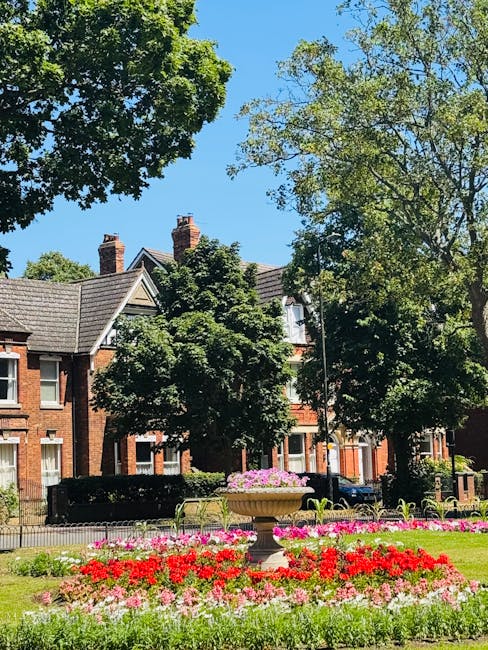
Top gardeners in Finchley near Finchley Central station
If you are searching for Top gardeners in Finchley near Finchley Central station, you are probably after more than a tidy lawn. You want someone local, reliable, easy to reach, and comfortable working in the mix of front gardens, compact patios, shared access, and mature planting that Finchley properties often have. Maybe the hedge has gone wild. Maybe the borders look tired. Or maybe you simply want a garden that feels good to step into on a quiet morning, tea in hand, before the station starts humming.
This guide walks through what makes a strong local gardener worth your attention, how the service usually works, what to look for before you book, and where practical standards matter. It also links you to useful pages from the same site, including the full services overview, pricing and quotes information, and how to get in touch when you are ready.
Quick takeaway: the best gardeners near Finchley Central are not just the ones who cut, prune, and clear. They are the ones who understand seasonal timing, respect access and safety, and leave you with a garden that is manageable, healthy, and genuinely nicer to live with.
Table of Contents
- Why Top gardeners in Finchley near Finchley Central station Matters
- How Top gardeners in Finchley near Finchley Central station Works
- Key Benefits and Practical Advantages
- Who This Is For and When It Makes Sense
- Step-by-Step Guidance
- Expert Tips for Better Results
- Common Mistakes to Avoid
- Tools, Resources and Recommendations
- Law, Compliance, Standards, or Best Practice
- Options, Methods, or Comparison Table
- Case Study or Real-World Example
- Practical Checklist
- Conclusion
- Frequently Asked Questions
Why Top gardeners in Finchley near Finchley Central station Matters
Living near Finchley Central station comes with a particular kind of pace. It is busy enough that time matters, but residential enough that outdoor space still plays a real role in everyday life. A well-kept garden can soften the edges of city living. It gives you shade, privacy, a place for children to play, somewhere to grow things, and a bit of breathing room after a long commute.
That is why choosing among the top gardeners in Finchley near Finchley Central station is not just a cosmetic decision. It affects how your garden grows over the next few months, how easy it is to maintain, and whether the space becomes an asset or a constant job list. A rushed cut can leave shrubs looking blunt and unhealthy. A thoughtful gardener, on the other hand, works with the seasons, the plant structure, and the layout of the space. You notice the difference even if you cannot quite explain it at first.
There is also a local practicality to all of this. Finchley gardens can vary a lot: narrow side access, mature trees, shaded front plots, brick patios that collect moss, and lawns that struggle a bit in patchy light. A gardener who understands those conditions will usually make smarter choices from the start. Less guesswork. Fewer do-overs. Better results, frankly.
Expert summary: The right local gardener does more than tidy up. They help you make your garden easier to live with, safer to use, and healthier across the year.
How Top gardeners in Finchley near Finchley Central station Works
Most people imagine gardening as simple cutting and clearing, but a professional service usually works in layers. First comes a look at the current condition of the space. Then comes a plan for the immediate job, followed by a sensible approach to ongoing care if you want it. Simple in theory. A bit more nuanced in practice.
A good gardener will usually start by asking what matters most to you. Is this a one-off reset? Regular maintenance? Seasonal pruning? A full tidy after a period of neglect? Those answers shape everything else. For example, a heavily overgrown border may need careful reduction rather than a hard chop. A tired lawn may need scarifying, feeding, and time rather than a quick fix. No magic wand. Gardens rarely work like that, irritatingly enough.
In many cases, the process will also include checking access, waste removal needs, safety considerations, and the best timing for work. If your garden backs onto a shared path or has limited entry, that affects the workflow. If you are booking near a station, timing and punctuality matter too. You want the job done properly, but you also want it done without the day turning into a mini logistics puzzle.
For a broader view of what a local team may cover, it helps to read the services overview. That gives you a sense of whether you need lawn care, hedge trimming, planting, clearance, or a mix of several services.
Key Benefits and Practical Advantages
The benefits of hiring a skilled local gardener go beyond obvious visual appeal. Yes, a neat lawn and trimmed hedges look better. But the real value often shows up later, in the things that do not go wrong. Fewer weeds. Healthier shrubs. Better drainage. Less accidental damage. Less weekend labour for you.
- Time back in your week: Garden maintenance disappears from your to-do list, which is no small thing if you commute or work irregular hours.
- Better seasonal timing: The right jobs happen at the right time, which helps plants recover and thrive rather than just survive.
- Cleaner presentation: Front gardens, paths, and entrances feel more welcoming, which matters if you have guests or tenants.
- Healthier growth: Pruning, feeding, and clearing done properly can improve plant structure and reduce stress on the garden.
- Safer outdoor spaces: Overgrown edges, slippery moss, and unstable branches are dealt with before they become problems.
There is also the calm factor. A garden that looks under control tends to make the whole home feel more settled. A bit of order outside often brings a bit of order inside too. Sounds a little sentimental, maybe, but it is true.
Who This Is For and When It Makes Sense
Hiring a gardener near Finchley Central makes sense for a wide range of people, but not always for the same reason. Some people need a one-off rescue after months of growth got ahead of them. Others want repeat visits to keep things tidy without having to think about it. And some simply want a professional eye because they know a plant border is only a few weeks away from turning into a jungle, which happens more than people admit.
This service is especially useful if you are:
- a homeowner who wants the garden to be presentable without spending entire weekends on it;
- a landlord or letting agent keeping a rental property in good condition;
- an older resident who would rather not tackle heavy pruning or lifting;
- a busy family managing a lawn, borders, and maybe a few well-meaning but stubborn shrubs;
- someone preparing a property for sale or viewings;
- a tenant who needs the outdoor space back in shape after it has been neglected.
It also makes sense if your own routine is fine but the garden has fallen out of sync with the season. That is often the hidden problem. Not lack of care, just lack of time at exactly the wrong moment. By the time you notice, the hedge is halfway through its own personality crisis.
Step-by-Step Guidance
If you want the best outcome, it helps to approach the job in a few clear steps rather than treating it as a vague "sort the garden out" request. A little structure goes a long way.
- Walk the garden first. Look at what is actually bothering you. Is it the lawn, the borders, the hedge, the paving, or the general clutter?
- Decide whether you need a one-off or ongoing care. A single tidy-up is very different from monthly maintenance.
- List your priorities. For example: remove weeds, reduce hedge height, re-edge the lawn, clear leaves, and neaten the front path.
- Ask about the method. Good gardeners can explain how they will approach pruning, waste, access, and timing without making it sound overly technical.
- Check what is included. Some jobs include waste collection; others may not. Clarify this before work begins.
- Confirm timing and access. Near Finchley Central, punctuality matters. A straightforward arrival plan saves everyone hassle.
- Review the result before the team leaves. Look at the edges, the finish, the debris removal, and anything you want adjusted.
If you are comparing options, a sensible next step is to check the pricing and quote guidance so you understand how jobs are typically scoped before you commit. That way the conversation feels clear, not awkward.
Expert Tips for Better Results
Small choices make a big difference in gardening. In our experience, the best results come from people who are clear, realistic, and a touch patient. Gardens are living systems. They respond better to steady attention than to panic.
- Be specific about the look you want. "Tidy" can mean very different things. Say whether you want a lightly maintained feel or a crisp, formal finish.
- Think in seasons, not just jobs. Spring clean-ups, summer growth, autumn leaf fall, and winter pruning all need different approaches.
- Do not overcut everything at once. A severe trim can weaken plants, especially when they are already stressed.
- Prioritise the front garden if time is short. It changes the whole impression of the property.
- Use pruning and weeding as maintenance, not rescue only. Smaller, regular visits often prevent larger costs later.
- Ask for sustainable disposal where possible. Waste handling is part of the job, and it should be thought through properly.
One very practical tip: if you know you want a job done before an event, viewing, or a family visit, book early. Nothing dramatic, just earlier than feels necessary. Gardens, like trains, have a habit of not caring about your deadline.
For readers who value environmentally sensible practice, the page on recycling and sustainability is useful because it signals how garden waste and materials can be handled with more care.
Common Mistakes to Avoid
There are a few recurring mistakes people make when hiring local garden help. None of them are unusual. Most are simply the result of wanting the garden fixed quickly and not asking quite enough questions.
- Choosing only on price. A low quote can be tempting, but if the scope is unclear, the result may be rushed or incomplete.
- Assuming every gardener does every task. Some are stronger on maintenance; others are better for pruning, clearance, or planting.
- Not mentioning access issues. Narrow side alleys, locked gates, parking constraints, and neighbour boundaries all matter.
- Skipping the follow-up question. Ask what the garden will need after the visit. That is often where the real value is.
- Forgetting waste removal. A good tidy-up can still leave you staring at a surprising mound of green waste if disposal is not planned.
- Expecting instant perfection from neglected beds. Sometimes a garden needs two or three visits to look genuinely balanced again.
It is also worth avoiding vague instructions like "just make it better." That is understandable, of course, but it leaves too much room for guesswork. A better brief saves time and makes the whole job smoother.
Tools, Resources and Recommendations
Most of the best work in gardening comes down to the right tools used in the right way. The exact kit will vary, but a professional gardener generally needs equipment suited to cutting, shaping, clearing, and cleaning without damaging the space.
Here are some useful things to think about:
- Sharp cutting tools: Clean cuts help plants recover better than torn edges.
- Appropriate lawn equipment: A lawn with moss, patchy growth, or uneven edges may need more than a standard mow.
- Waste bags or collection method: Clearing waste neatly matters, especially in tighter residential spaces.
- Gloves and protective equipment: Essential for thorny work, debris handling, and safer use of tools.
- Plant knowledge: This is not a physical tool, but it is probably the most valuable one.
On the customer side, keep a short note of what you want done, what you do not want touched, and any plant that has sentimental value or is easy to miss. A surprising number of problems start with one shrub no one meant to prune. Happens all the time.
If you want to understand the company background and the way services are organised, it helps to read the about us page. For practical next steps, contact the team directly once you know what kind of help you need.
Law, Compliance, Standards, or Best Practice
For garden work in a residential setting, the main concern is usually not legal complexity but sensible practice. That said, safety and responsibility still matter. Gardeners should work in a way that reduces risk to property, people, pets, and themselves. That means using tools properly, managing waste responsibly, and keeping walkways and work areas as clear as practical during the job.
Where access is tight or work is at height, extra care becomes especially important. Branches, ladders, slippery surfaces, and hidden debris can create avoidable problems if rushed. If a job involves larger trees, unstable structures, or anything that looks beyond routine gardening, it is sensible to pause and assess rather than forcing the issue. Better safe than sorry. Really.
Professional standards also include clear communication about what is included, how the site will be left, and what happens if something unexpected comes up. That is why pages like the health and safety policy and insurance and safety information matter to customers. They are not just formalities; they tell you the work is being approached with care.
It is also sensible to review terms and conditions, payment and security details, and the privacy policy before sharing personal information or agreeing a booking. That is just good housekeeping, online and off.
Options, Methods, or Comparison Table
Not every garden needs the same approach. Some spaces need a quick tidy, while others need proper restoration work. The table below gives a simple comparison that may help you decide what kind of service fits best.
| Approach | Best for | Typical strengths | Watch-outs |
|---|---|---|---|
| One-off tidy-up | Overgrown or neglected gardens needing a reset | Fast improvement, clear visual impact, good for a property refresh | May not solve underlying maintenance issues |
| Regular maintenance | Homes that need consistent care through the year | Steady results, easier upkeep, less seasonal stress | Requires routine scheduling |
| Seasonal pruning and clearance | Hedges, borders, leaf fall, and growth bursts | Targets specific timing needs and plant health | Needs good timing and plant knowledge |
| Recovery work | Spaces that have become cluttered, uneven, or heavily weeded | Transforms the space and sets up future maintenance | Can take more than one visit |
For many Finchley households, a mixed approach works best. A one-off reset followed by lighter maintenance often feels much more manageable than trying to keep a tired garden perfect from day one. That is the honest version, anyway.
Case Study or Real-World Example
Imagine a typical Finchley garden near the station: a small lawn at the back, a narrow side return, a hedge that has started to lean into itself, and borders full of plants that are still alive but not exactly thriving. The owner has been meaning to deal with it for months. Work has been busy, weekends disappeared, and the garden slowly became one of those "I'll sort it next month" tasks.
A sensible gardener would not start by hacking everything down. They would look at structure first. The hedge might need careful shaping rather than severe reduction. The lawn may need edging and a more realistic mowing pattern. The borders might only need weeding, deadheading, and selective cutting back, not a full clear-out. The result is not just neater. It is easier to maintain from that point onward.
What usually surprises people is how quickly the garden feels different once the edges are clean and the awkward bits are dealt with. You hear the sound of the shears, smell the fresh cut grass, and suddenly the whole place feels lighter. Not perfect. Just better in a meaningful way. And honestly, better is often the right goal.
Practical Checklist
Use this checklist before booking or during your first conversation with a gardener near Finchley Central:
- Identify the main problem areas in the garden.
- Decide whether you need one-off help or ongoing maintenance.
- Note any access issues, parking constraints, or shared entry points.
- List plants or areas that should be handled carefully.
- Ask what the quote includes and whether waste removal is part of it.
- Check how the gardener handles safety, insurance, and site care.
- Confirm the expected timing and how long the job may take.
- Ask about seasonal follow-up if the space needs ongoing attention.
- Review payment, terms, and privacy details before confirming.
- Walk the garden once the job is complete and flag anything unresolved.
If you are still comparing providers, it can also help to read the page on complaints procedure-actually, let's correct that: the proper page is complaints procedure. That kind of transparency matters, even if you never need it.
Conclusion
Finding the top gardeners in Finchley near Finchley Central station is really about finding the right fit for your space, your schedule, and the kind of garden you want to live with. The best choice is rarely the flashiest one. It is usually the one that asks the right questions, works carefully, and treats your garden as something living rather than something to rush through.
Whether you need a one-time tidy-up, ongoing care, or help making a slightly unruly garden feel manageable again, the smartest next step is to be clear about your priorities and choose a team that values safety, communication, and proper workmanship. That is how good results tend to happen, one sensible decision at a time.
Get a free quote today and see how much you can save.
And if you are ready to move forward, a quick visit to the contact page is usually all it takes to start turning the mess into something a lot more welcoming. Small step. Big relief.
Frequently Asked Questions
What services do gardeners near Finchley Central usually offer?
Most local gardeners handle general garden maintenance, lawn care, hedge trimming, pruning, weeding, planting, and seasonal tidy-ups. Some also deal with garden clearance and more detailed recovery work. The exact scope depends on the provider, so it is worth checking the services overview before you book.
How do I know if I need a one-off tidy or regular garden maintenance?
If the garden is simply overdue for a reset, a one-off tidy may be enough. If growth keeps getting away from you, regular maintenance is usually the calmer option. A good rule of thumb: if you are repeatedly thinking "I really should deal with this," ongoing care may save you more effort in the long run.
Are gardeners near Finchley Central suitable for small gardens?
Yes, very much so. In fact, smaller gardens often benefit a lot from professional care because every edge, border, and plant choice is more visible. A compact garden can look brilliantly polished with the right attention.
How should I compare gardening quotes?
Compare more than just the total price. Check what tasks are included, whether waste removal is part of the quote, how long the job is expected to take, and whether the gardener has considered access or seasonal timing. The pricing and quotes page is a good place to start.
Do I need to be home while the gardener works?
Not always. Many jobs can be completed if access is arranged in advance and the scope is clear. That said, it can be helpful to be present for the first visit so you can explain priorities and point out anything delicate or unusual.
What should I do before the gardener arrives?
Move away any fragile items, unlock access points, and jot down the main jobs you want completed. If there are plants, ornaments, or borders you want protected, mention them clearly. A tiny bit of preparation makes the day smoother for everyone.
Can a gardener help if my garden is very overgrown?
Yes, though heavily overgrown gardens may need more than one visit. A thoughtful gardener will usually tackle the work in stages so the garden is improved without being damaged. It is often a recovery process, not a single afternoon miracle.
What should I ask about safety and insurance?
Ask whether the work is covered by appropriate insurance, how the team manages site safety, and what happens if conditions are awkward or risky. Pages such as insurance and safety and health and safety policy are useful for checking the standards a provider follows.
Is garden waste removal usually included?
Sometimes yes, sometimes no. It depends on the job and the way the quote is structured. Do not assume. Ask directly, because waste can change the practical side of the visit quite a bit.
How often should a typical Finchley garden be maintained?
There is no single answer, because every garden grows differently. Some need weekly or fortnightly attention during peak growing periods, while others can be managed with less frequent seasonal visits. The right interval depends on lawn type, hedge growth, planting density, and how tidy you want it to stay.
What if I am unhappy with the work?
Start by raising the issue clearly and calmly with the company. Good providers should have a process for resolving concerns, which is why it is sensible to review the complaints procedure in advance. Clear communication usually solves more than people expect.
Is it worth using a local gardener instead of doing it myself?
If you have the time, tools, and confidence, some light garden care is absolutely manageable on your own. But if the garden is large, overgrown, awkwardly laid out, or simply getting out of hand, a local professional can save you time and often improve the long-term condition of the space. Sometimes the best DIY decision is knowing when not to DIY.
What is the best next step if I want help soon?
The fastest route is to outline the work you need, check the service details, and send an enquiry through the contact page. If you want to understand the business first, the about us page is a useful read as well. Straightforward, no fuss.